
Our neighbourhood parks could be so much more.
Let’s rethink how our urban green spaces can bring community, connection, and nature into our daily lives.

This is a proposal for a new modality of urban green space:
a community-managed, government-funded, free-to-use neighbourhood hub that combines food gardens, community support, events, ecology, and education.
that's a mouthful, but I promise it's worthwhile. Let's get into it.
BACKYARDS is born from a belief that we can - and should - make better use of our shared land.
Out of respect for each other, and for the world around us.

We all know that connection to nature is essential to our wellbeing.
In our modern world, where nature seems further and further out of reach, we need to be more intentional with how we design our urban green spaces. For most of us, that's the only place we get to connect with nature regularly.
Instead of covering our city parks in mediocre patches of turf, we need to start creating biodiverse, exciting, inspiring, playful, beautiful gardens; welcoming spaces that integrate our communities and environments in a more connected way of living. Giving people space to create meaningful relationships with each other, and with their land. To be healthy, active, and connected within their urban worlds.
In the increasing density of the concrete jungle, public parks are our shared neighbourhood backyards. We need to treat them with the care that they deserve. That we deserve.
By creating these spaces, we will:
-
Strengthen community relationships, resilience, and mutual support
-
Increase public safety through mutual trust and respect for shared resources
-
Increase local food resource stability
-
Improve neighbourhood liveability and comfort by increasing natural amenity
-
Improve community health through outdoor activity and access to fresh food
-
Support child development through nature play, helping them develop social bonds and understanding of the natural world around them
-
Provide opportunities for people to start new ventures
-
Boost local economies by encouraging to linger and patronise businesses
-
Encourage mutually supportive resource networks
-
-
Increase urban climate resilience
-
Increase biodiversity and support wildlife populations
-
Connect green corridors
-
Increase canopy cover
-
Improve soil structure for deep water infiltration, erosion control, and increased carbon carrying capacity
-
Improve vegetation health and resilience by cultivating self-supporting ecosystems through organic practices
-
Promote ecological stewardship
-
-
Foster genuine connections between people and place
For any hope of a better future, we need to invest in our communities and environment together.
This site steps through each part of the concept:
4.
cultivating edible gardens for people to forage and harvest, and native gardens to support biodiversity
5.
providing free spaces for people to enjoy, host events, and connect with their neighbourhood
6.
logistical and administrational considerations for getting a BACKYARD up and running
Preface
Nothing proposed here is unprecedented: This is an attempt to synthesise existing concepts into something cohesive and effective.
There is a massive body of work discussing each aspect in depth - principles of landscape architecture, healing gardens, the interaction of humans with nature, how global health outcomes are impacted by environmental degradation, preventive approaches to public health and wellbeing, community resilience, etc. I've linked some of my favourite resources at the end if you want to delve deeper. But for now, I've kept the background information light, so we can get straight to the point with practical applications.
The proposal is not detailed, exhaustive, or location-specific. It's intended to provide an initial framework that communities and councils can develop further through a local lens, taking nuanced environmental, governmental, and social considerations into account.
This is a starting point, intended to get people talking, ideas brewing, and councils listening.
So, let's begin.
Our needs unmet
Connection with nature
Frequent interaction with nature has psychological and physical benefits. We evolved within nature; we then created gardens as a village resource, the foundation of our existence as an agrarian society.
The loss of backyards means many urban dwellers have lost daily interaction with nature. Sure, we may see a handful of trees through their windshields, on our way to glass-clad office buildings. It’s not quite the same. Or maybe we do live near a park, but it’s just another hot patch of lawn.
For anything more natural, beautiful, and meaningful, people often have to travel further out, which requires effort, time, and money. This is already an obstacle for the average exhausted urban worker; furthermore disproportionately affects our most vulnerable, who do not have the agency or physical ability to travel. Children turn to devices. The elderly become trapped in their homes. Workers stay stuck in the home-commute-office loop. Everyone misses out on the benefits of the outdoors.
We need diverse, interesting, and exciting urban green spaces, to incentivise people to go outside every day.
It then becomes a mutually supportive relationship: the more people connect with and understand nature; the more they will respect and take care of it.
The loss of the backyard
Urbanisation has changed how we live.
We’re well past the era of the suburban dream, where every family owns a detached house on a quarter acre block. While it’s still a cultural sore spot, this departure is a welcome change. Aside from being incredibly damaging to the environment, the suburban lifestyle is deeply insular and socially isolating (in a thin facade of wholesome family self-reliance).
People are increasingly living in apartments and units; blocks are shrinking, developers prioritising mid- to high-rise residential buildings. As a consequence, backyards are disappearing, and balconies are shrinking.
Densification isn't a bad thing, it is absolutely necessary to accommodate growing populations and avoid environmentally-damaging sprawl. But density needs supporting infrastructure to maintain the wellbeing of the people who live there.
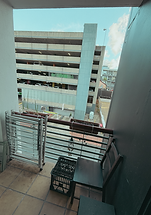

Inspiring scenes from my inner-city balcony

Urban loneliness
Our urban spaces are home to the vast majority of the population. People are living closer together, but proximity alone doesn't necessarily lead to social wellbeing.
"Social atomisation is increasingly resulting in single-person households and isolated people. Collective forms of activity, of whatever stripe, are hampered by time scarcity, a strong tendency towards online interaction, and spare time that is often spent indoors."
- Oliver, 2024
With dwellings getting smaller and losing their outdoor space, it becomes more difficult to host friends and events. A studio apartment gets crowded fast.
Our only option becomes to hang out outside the home, which in an urban setting, usually involves spending money - restaurants, bars, etc. When that precious resource becomes scarce, like in a cost-of-living crisis, people choose to stay home, alone.
Our late capitalist society relies on social isolation, environmental extortion, and complete reliance on disembodied corporate entities. It doesn't have to be like this.
In this time of increasing isolation, we need more third spaces that can be used in a variety of ways by a variety of people. We need welcoming, free-to-use public infrastructure that meaningfully brings people together.
“Gardens offer positive distraction from the ‘white noise’ of modern life, from the information overload that comes from digital media, from physical pain and mental suffering.”
- Souter-Brown, 2015
The gap with community gardens
Yes, community gardens already exist in urban areas.
What defines community gardens?
If you're not familiar with how they operate: community gardens are initiated by a small group of dedicated community members, who come together, negotiate land use with councils, and set up their gardens in public land. They then decide on shared rules and responsibilities, organise volunteer rosters and meetings. Some have individual plots, some have shared plots, some have both.
They are funded and run entirely by the community.
This means they are a great way to connect with your community through a common interest (gardening), and a shared land resource. They give people agency, self-determination (within the group’s jointly decided rules), and encourage mutual respect and responsibility.

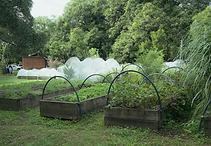

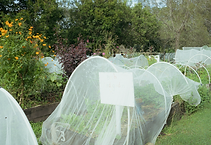
Despite these benefits, community gardens have one glaring limitation:
they require high time and labour investment from members.
Caring for your own garden plot, volunteering to maintain communal spaces, and attending organisational management meetings - these things take a lot of time and work.
Consequently, community gardens are mostly operated by folks who have plenty of spare time.
They feel unrealistic and out of reach from the majority of our overworked, time-poor society: students, parents, carers, and workers.
When the average person is working or studying 8 hours a day, commuting for an additional 1-2, keeping the house clean, cooking meals, planning for the week ahead, remaining active and healthy, making time for friends and family, caring for kids or pets, trying to squeeze in hobbies, self development, rest, and mental wellbeing… How could they even consider committing to a weekly volunteering schedule and management meetings, or even just learning enough about gardening to start their own personal plot? And on another aspect of accessibility - what about people who are not physically able to care for their own garden plot, or to partake in shared responsibilities?
Community gardens aren't accessible for most of us grinding in a late-stage capitalist society. The demand for time and labour from an already overworked population discourages people from participating in these communities in the first place.
(To clarify, this isn’t meant to replace community gardens – these still have immense value for specific groups. The goal is to provide an additional option accessible to the time-poor majority.)
BACKYARDS is proposed as an accessible alternative:
a garden for the community.
Gardens shouldn’t be just a hobby, exclusive to the able-bodied and time-rich. They should be accessible to everyone, enriching our lives, welcoming us to connect with each other and with the land they inhabit. Everyone should feel the joy of a beautiful garden; to be able to walk outside, grab a fresh fruit off a tree, sit in the shade of a tree, and take a moment to breathe.
Accessibility is key. To meaningfully improve our daily connection with nature, we need to integrate sustainability into people’s daily lives with ease:
“It is difficult to live a healthy lifestyle without an appropriate environment. Healthy choices, whether meeting friends in the park, eating fresh fruit or cycling to school have to be the easy option.”
- Souter-Brown, 2015.
By making these spaces staffed and free to use, they don't require any time investment. They then become so much more accessible, to so many more people. Everyone in the local area can enjoy community, food and nature without the daunting demand for time, money, and volunteer commitments.
we can provide all of the benefits of these diverse green spaces for everyone regardless of available time.
(Of course, with this added layer of external influence, extra care needs to be taken to keep BACKYARDS rooted in their communities. Regular community consultation and democratic decision-making to establish agency and shared ownership. Education at the forefront to empower people to learn about their land, food, ecosystems, and support networks. These are essential to bring the community together and ensure the space feels meaningful, connected, and worth preserving. We'll get into this in the Setup & Operations section.)
Our governments are responsible
Local councils manage urban green spaces. They have the responsibility to care for the land they manage, and to serve their communities' needs.
Just like any local park, library, or community hall, BACKYARDS would be government-funded. Our local councils are committed to creating vibrant communities, supporting health, arts, events, environment, and this is no different.
We’re in this situation because our public spaces have not been prioritised. Subservience to lobbyists and developers, lukewarm environmental policy, and downright inept urban planning. The people have not been put first. We have not been properly consulted on what we want from our parks, and have no direct say in how our land care taxes are allocated.
This is a matter of government responsibility. Good land management and provision of green amenity is not only essential for personal wellbeing, but also for our society's health and economic performance. I've pulled a few quotes from Souter-Brown's 2015 book that encapsulates this perfectly:
“If governments, housing providers and educators are to be socially and economically accountable, environmental quality and the widespread provision of healing green space must be of major interest and concern.”
“When we talk about healing gardens having the capacity to heal communities it is about providing spaces where anyone can freely access a healthy, active lifestyle. [...]When people are attracted to spend time outdoors daily in nature, multiple benefits spill over into the community.”
“A healthy, active lifestyle is the basis of most public health promotion programmes around the world. With a shrinking tax base from an ageing and increasingly disabled population, governments need to find new ways to keep people healthy and in the community as long as possible. As the pace of urbanisation and climate change increases, governments are under pressure to supply liveable towns and cities. A salutogenic design approach creates an environment that is nurturing and healing. Encouraging and enabling healthy behaviours using evidence-based urban design makes social, environmental and economic sense. Using landscape interventions to adopt a preventative approach will create a healthier society and place lower demands on struggling healthcare systems.”
It's clear that the wellbeing of our people is at the core of a functioning society. And the wellbeing of people is inextricable from our connection to nature. Ergo, the benefits of something as simple as better green spaces will spill over into all areas of our society and economy.
This is of immediate interest not only to us as people, but also to our governing bodies.
We are well within our rights to demand more from our tax-funded urban green spaces.
Really... what other options do we have?
Hand the job over to a rich, 'trustworthy' corporation.
Corporations are inherently profit-driven. There will always be a vested interest in increasing revenue above other factors. We have no idea who is at the top of the pyramid, who is benefitting from what, or how many interested parties have dipped their fingers in the project. Many “nonprofit” organisations have been known to siphon donation money into questionable pockets. Do we really want to hand our wellbeing over to companies, when unregulated capitalism is what got us here in the first place?
Rely on community-organised, volunteer-led organisations.
Unfortunately, these also exist within a capitalist system (we all do). They require the personal investment of money, time, and effort from their local community members. As discussed earlier, this limits participation, access and influence to the resource-rich few. In addition, since these groups are headed by community leaders, they can struggle to maintain momentum with leadership changes, become troubled with infighting, and dissolve.
There are reputable and successful nonprofit community organisations that combine gardens, community, markets, and education; some notable examples being CERES in Melbourne and Northey Street City Farm in Brisbane. These places are fantastic and should be celebrated, but they still need to generate money to be viable (capitalism again). They charge for educational courses, produce markets, rely on donations and volunteer labour. Again, people who don’t have disposable time and income are invariably locked out, or at least limited in how they can engage with these spaces.
Sit around and wait for a good-hearted philanthropist billionaire to selflessly buy large tracts of land to convert into wildlife reserves and regenerative urban agroforestry free for community enjoyment.
… Come on. Who are we kidding?
Obviously, governments can be corrupted just like corporations can. But that doesn’t mean we turn away and ignore them - the popular response of resignation, defeat, expecting the worst, only makes it easier for incompetence and corruption to slide by unnoticed. Politics affects every one of us. If we don’t demand better, if we don’t hold our governing bodies accountable, we’re beyond screwed.
As a democratic society, only we the people can hold the government accountable for not fulfilling their end of the contract. Only a local community can actually tell if their local governments are responding to their local needs.
BACKYARDS can set a precedent for urban green space legislation that puts community first.
We need to start by changing the system. There is no deus ex machina that magically fixes everything and saves us all; that’s not how realistic and meaningful change happens.
Take small steps; speak to your neighbours; reach out to your councils; improve your local parks; eventually we can look back and realise the system is no longer what it used to be.
Opportunities
Here in Australia, our cities have many “green” spaces scattered throughout urban areas.
Looks great on paper, however, in reality, most of these provide very little ecological or community value.
Take a wander around on satellite maps, and you’ll quickly notice that basically every public open space is covered in the same plant: turf grass. Parks and ovals are the obvious, but this plant has also taken over every interstitial space: roundabouts, the median strips between roads, the gaps between ovals, parks, and playgrounds.
Turf has some benefits, of course. It’s sturdy enough for us to run, play sports, walk the dog, host group events, enjoy an open air gig. But its downsides are undeniable.
-
High-maintenance, thirsty crop
-
Shallow root systems lead to soil compaction, worsening water infiltration and leading to overland flow issues
-
Dominates the landscape, invades surrounding gardens, leaves no room for variety in plant species
-
Provides no food or habitat for local wildlife
-
Grows fast: mow it down, and it will grow right back in two weeks time.
If you’ve ever lived near a public park, you’re familiar with the constant noise of a ride-on mower, which is also guzzling fuel or electricity.
At some point these “green” spaces stop being meaningfully green; they are barren of life.
Let’s take a quick flight over inner-north Melbourne:

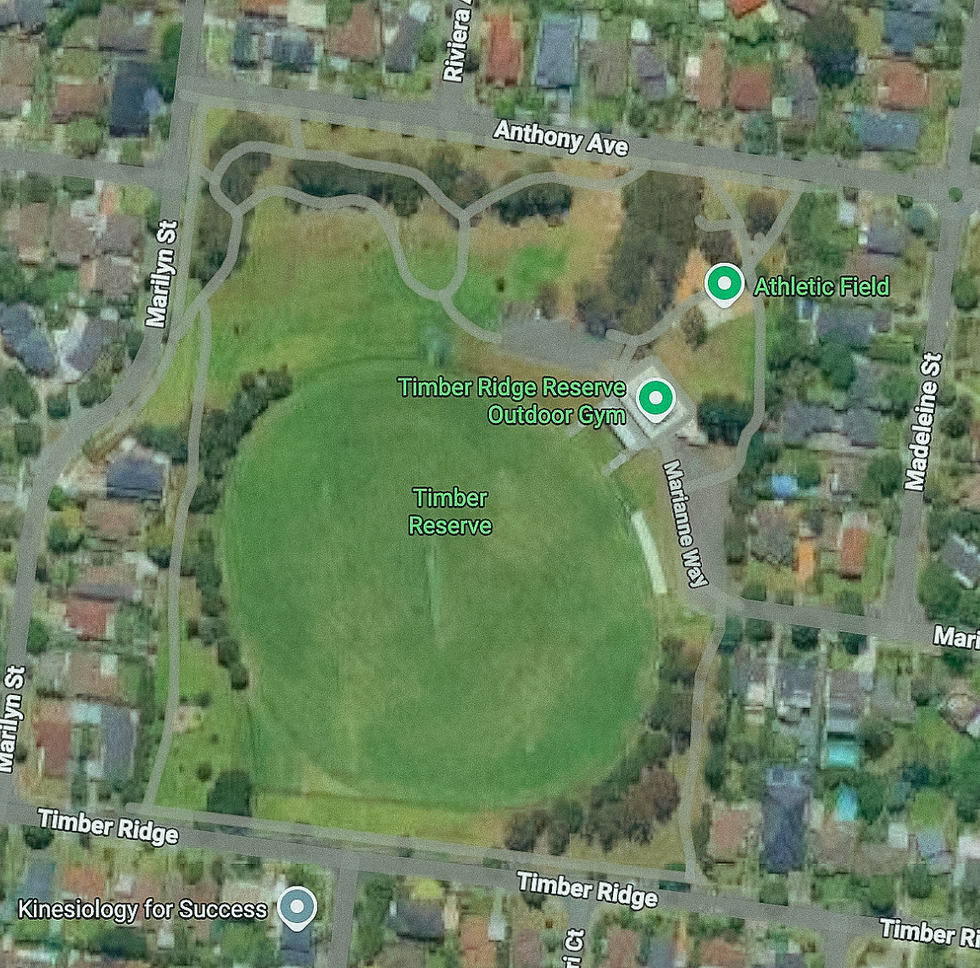


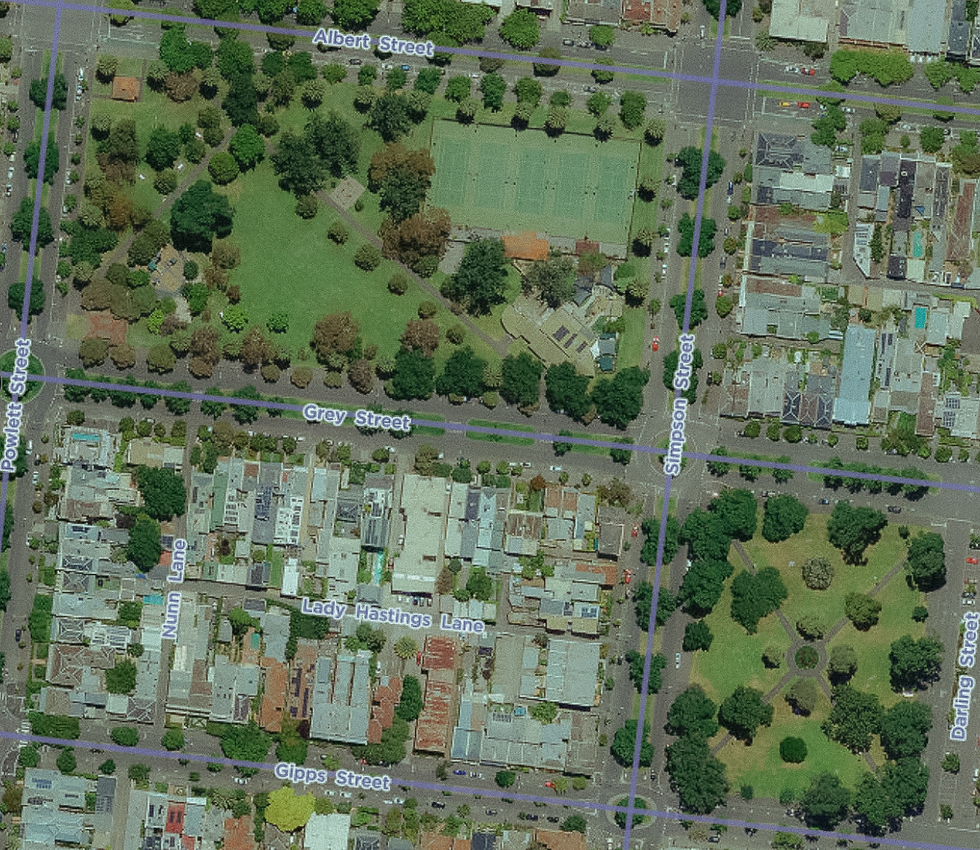
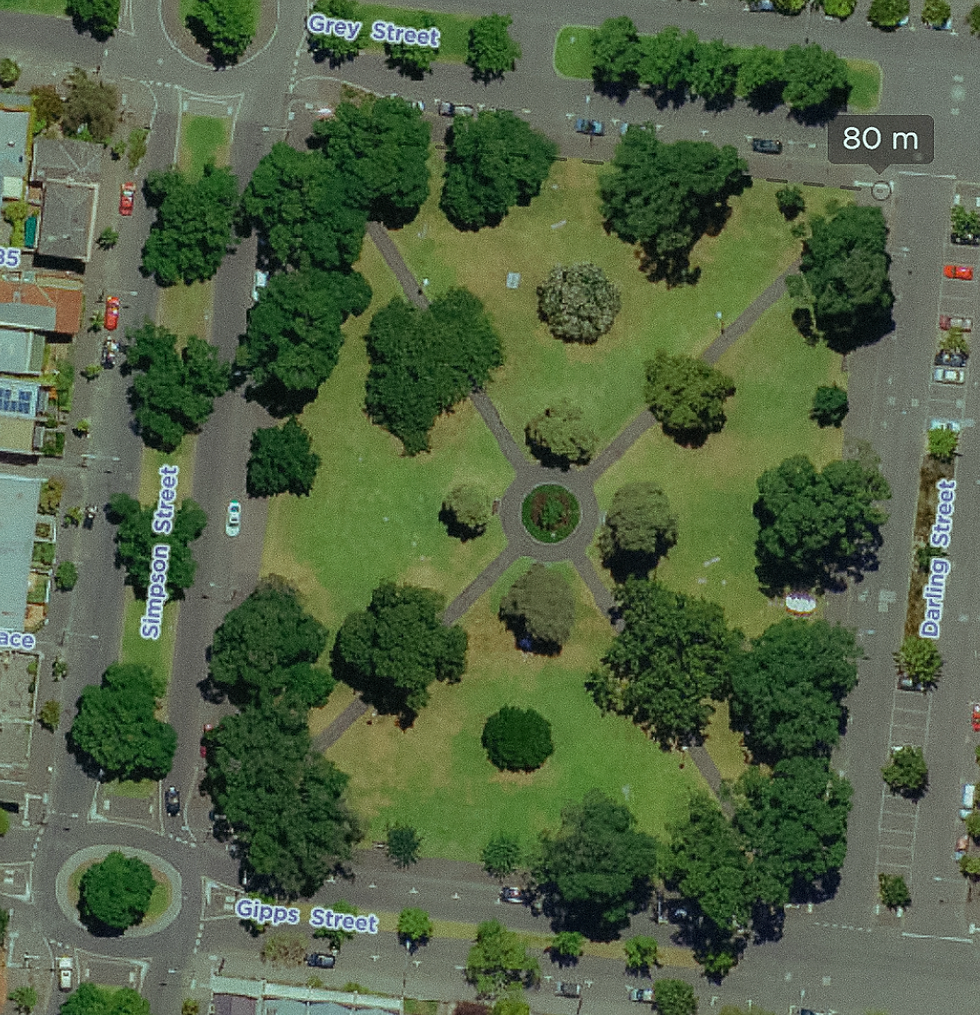


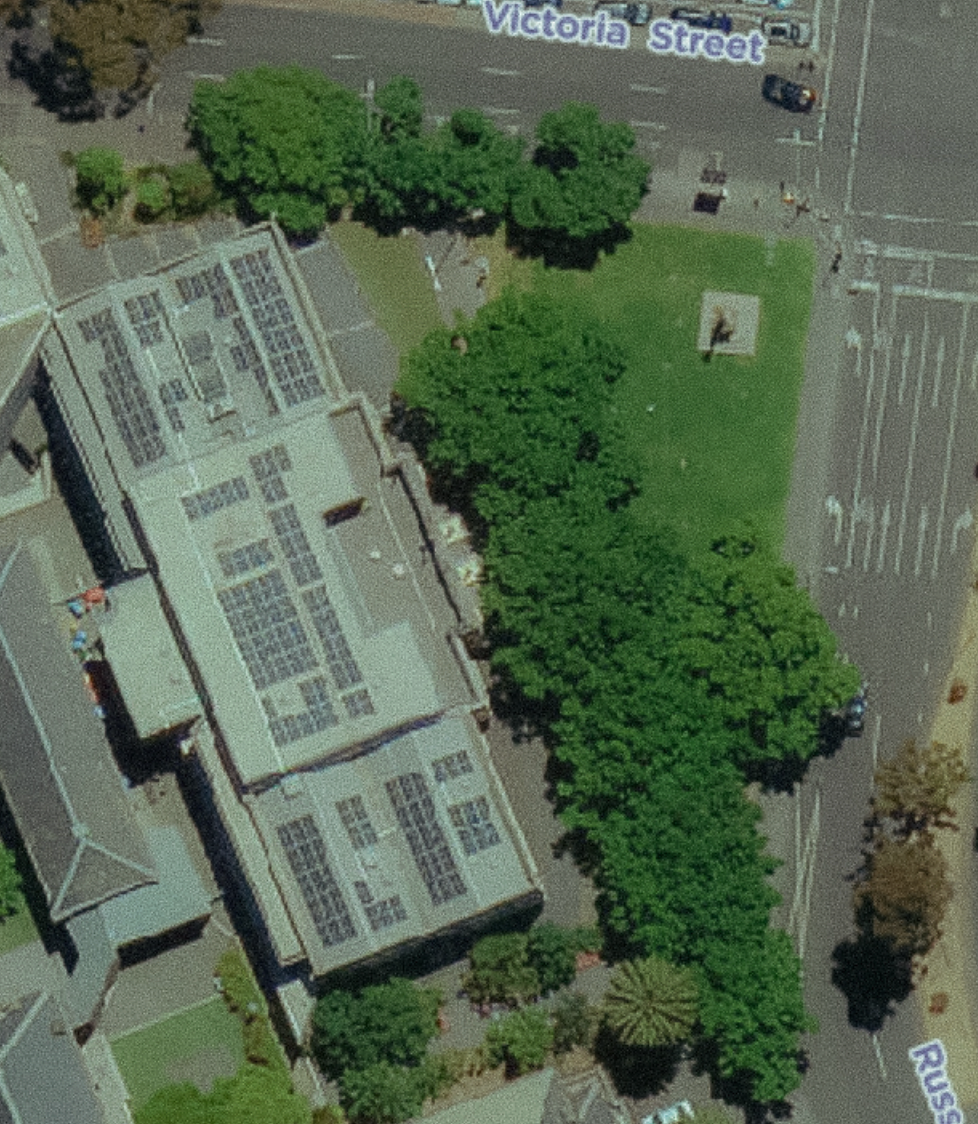


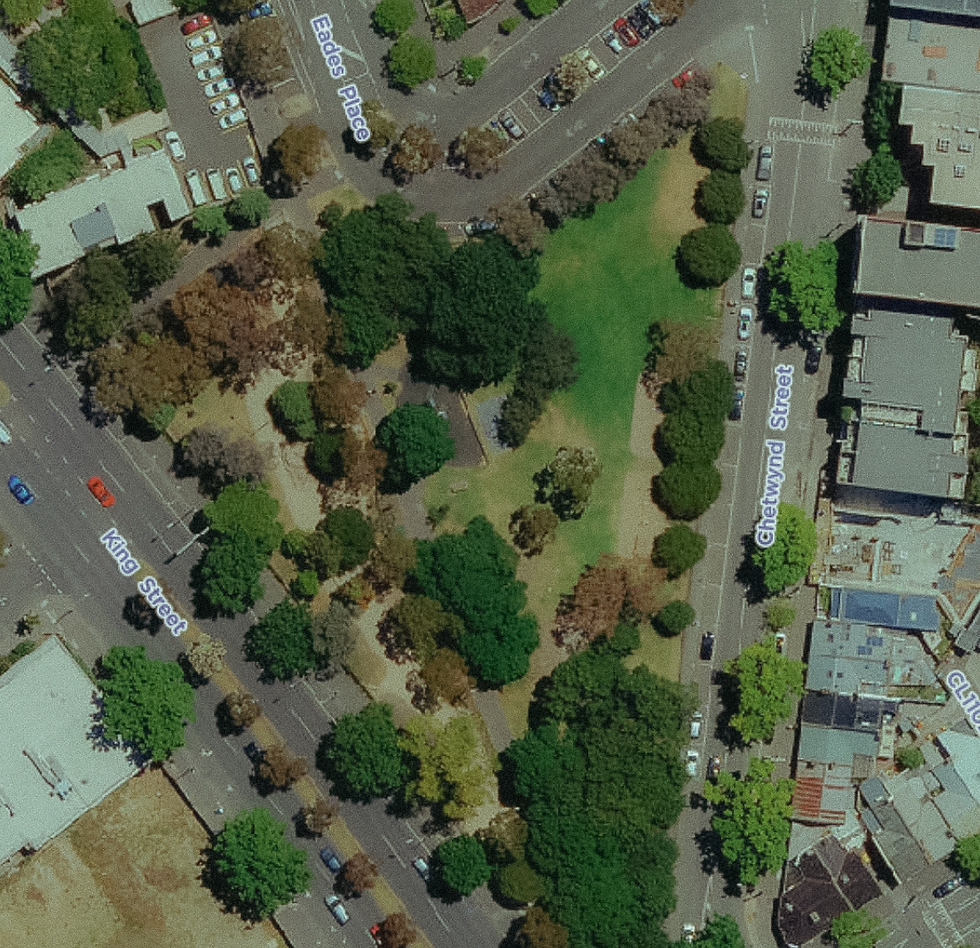

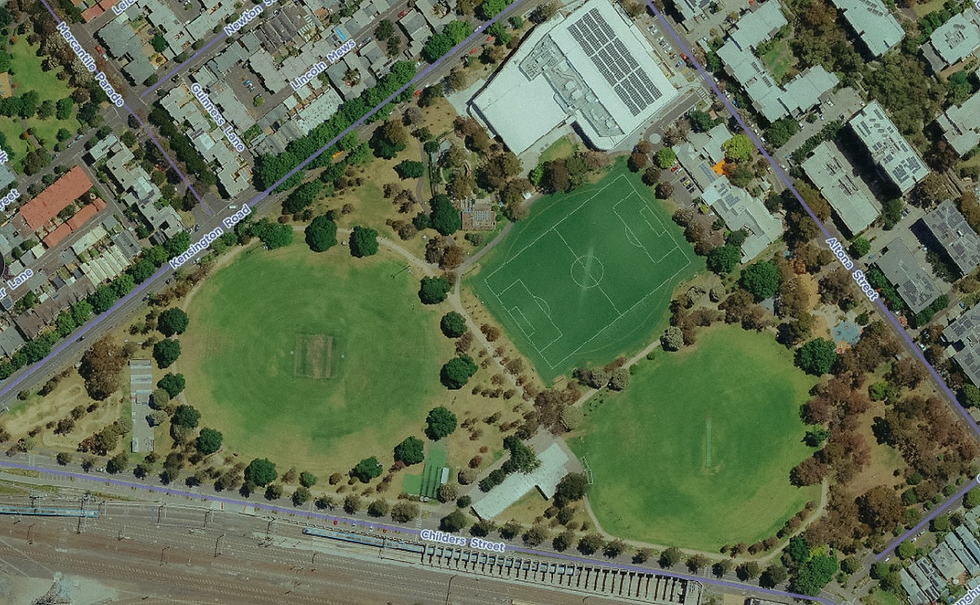


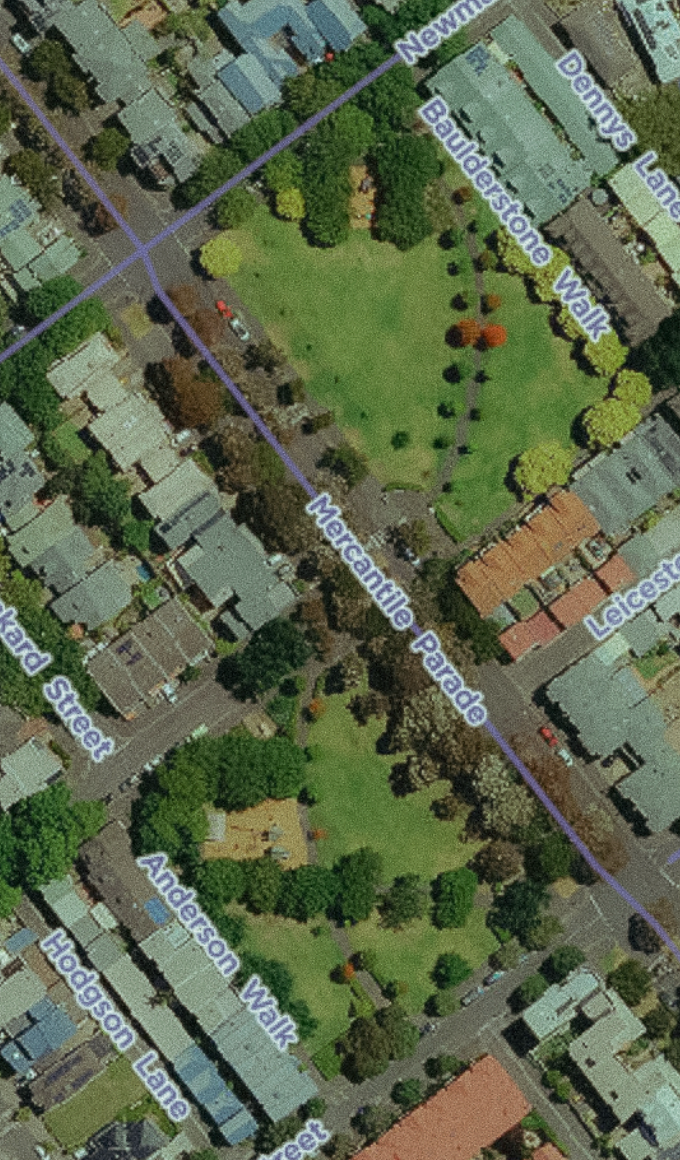


It's a lot. Everywhere you look, so much grass sprinkled around the place.
Is anyone even using these spaces?
Can you imagine how much mowing it takes to maintain all of this?
I don’t want my taxes to go into an endless loop of lawn maintenance. I want them to go to something that actually allows us to experience the joys of nature.
Not every open space needs to be turf.
Each of these useless patches of grass is an opportunity for a better green space. If we redirect the vast resources we spend on maintaining acres of turf every day, we could create much more diverse, environmentally meaningful, exciting green spaces throughout our cities.
We can keep the same functions served by the current lawn patches - dogwalks, picnics, playing, enjoying music; but add much more variety to the activities, scenery, sensory experiences. Gardens that are tailored to their communities, that encourage people to connect with nature, and with each other, in a more meaningful way.
To test this proposal, I grabbed this strange inner-suburbs Melbourne park and sketched what we could fit in here instead:


As you can see, with intentional design, we can fit so much more into these spaces.
Let’s keep the lawns where they’re actually needed - sports ovals, events greens, etc - and allow everything else to become a little bit more natural (and beautiful. and fun.)
Ideally, there will eventually be a BACKYARD within walking distance (<1km) of every urban household. This will allow them to be more connected to place, people, community. A city grid of well-considered green space, accessible to everyone.
Key Features
Many urban spaces try to create a sense of modernity and monumental scale. They overuse tiled surfaces, pigmented concrete, angular geometries, level changes, retaining walls, blockwork seats, prefabricated furniture, and containerised planting. The resulting landscapes feel intense, heavy, hot, hostile, and unnatural.
In direct opposition to this practice, the landscape design of BACKYARDS should feel soft, cosy, simple, fluid, unstructured, and naturalistic:
Different BACKYARDS will be designed uniquely to their sites, however these key landscape design considerations should be included in all BACKYARDS:
Water
Water is the foundation of life. Add a pond to bring in birds, amphibians, and beneficial insects, to help balance the ecosystem.
Keep the pond healthy with plants, fish, pumps and filters.
People need water too. Provide drinking water at facilities, and bubblers throughout the garden pathways.
Meandering circulation
Create winding paths throughout the gardens, encouraging people to take their time, explore different routes, discover the gardens slowly.
Spaces should flow into each other freely, without garden edging, so people feel free to interact with it all.
Sightlines
Maintain sightlines throughout the gardens by keeping planting mostly low, adding height only in key spaces (like shade trees).
People should be able to locate themselves along the paths, to see their surroundings. Kids play areas should be clearly visible for supervision.
A visually permeable garden is safer and more inviting.
Lighting
Since the gardens will be open at night, there must be decent lighting along pathways.
Ensure lights aren’t too bright, and aren’t directed into trees, to avoid bothering sleeping birds and nocturnal animals.
Nature play
Design playgrounds that allow kids to explore, learn, reconnect with nature, and improve their immune systems.
Unstructured outdoor play, simple and natural, with logs, rocks, mounds, tunnels, sandpits, teepees, tree swings.
No overheating plastic and metal towers; no debris-gathering shade sails; no toxic rubberised softfall, plastic astroturf, or herbicide-treated lawns. Cover the area with Dichondra and Pratia groundcovers, which can take some foot traffic.
Gardens
Include a variety of plants that provide ecological and social benefit. We will explore this more in the 'Gardens' section.
Accessibility
Provide ample space to accommodate mobility devices in facilities and gardens.
Pathways should be wide and smooth, made of a permeable and stable material like decomposed granite, avoiding steps and steep slopes.
Include plenty of seating along pathways, under the shade of trees. Include garbage bins and sharps waste units. Include bike racks.
“Gardens can be part of active transport systems, movement corridors for pedestrians, cyclists and wildlife.”
- Souter-Brown, 2015
Nooks
Create comfortable nooks within the gardens, of different sizes and openness for a variety of uses. People can have group gatherings, private conversations, or enjoy quiet moments of solo contemplation.
Sensory experience
Consider smells:
Place the compost station far away from facilities. Face toilets away from event spaces/workshop rooms. Mass-plant herbs in wide patches instead of mixing them all together, to avoid overwhelming people with too many scents at once.
Consider sounds:
Avoid lawns, preventing mowing noises
Place noisy events areas away from ecological gardens, to avoid spooking wildlife. Consider integrating outdoor instruments like chimes, drums, etc.
Consider touch:
Place thorny plants away from pathway edges. Build seats out of wood so they don’t get too hot or too cold. Include plants of various textures for variety and discovery.
Gardens
BACKYARDS should include two types of planting: edible, and ecological.
Edible planting
This one is more commonly understood: edible herbs, vegetables, and fruits. The exact species will be case-by-case, depending on site conditions and community preferences. There are a few general considerations:
-
Not invasive to native vegetation
-
Not harmful to local wildlife
-
Easy to harvest and eat on a small garden scale (avoiding, for example, grains that need a lot of space and water, cashews that are toxic to touch before processing, olives that require extensive processing, etc.)
“Soft landscapes are slower and provide the opportunity to reconnect, to literally stop and smell the roses. Socially and environmentally soft landscape interventions provide a win/win situation. Soft landscapes can restore biodiversity, rebuild wildlife corridors, and absorb heat; leaves transpire to locally cool the air, provide natural shade, absorb sound and filter water and airborne pollutants.”
- Souter-Brown, 2015.
Ecological planting
Ecological planting must be endemic to the region of the BACKYARD. As such, the exact plant species will need to be determined case-by-case by ecologists. However, there are important considerations that apply to all situations:
-
Habitat for wildlife:
-
Arrangements of native plants at different heights and densities
-
Groundcovers to protect crawling insects, reptiles, amphibians
-
Grasses and shrubs to shelter small mammals, birds, marsupials, reptiles
-
Trees to provide perches for birds and marsupials
-
-
-
Food for wildlife:
-
Native pollen-rich flowers for pollinating insects (melaleucas, leptospermums, callistemons).
-
Native nectar-rich flowers for birds and butterflies (grevilleas and banksias).
-
Diverse native plant species to support a diverse range of animal/insects that rely on specific plants. Consider local endangered wildlife that needs extra support.
-
-
Nitrogen fixers:
-
Pioneer species that nourish the soil and improve the health of all other plants (e.g. casuarinas, hardenbergias, acacias).
-
-
Mix of deep and shallow rooted plants:
-
Shallow-rooted plants to reduce soil dryness and compaction, and increase soil biodiversity
-
Deep-rooted plants to reduce erosion and improve water infiltration, soil structure, soil biodiversity, and carbon sinking ability.
-
-
Trees for urban comfort:
-
Wide canopies to provide shelter, shade, and comfort for walkways and seats.
-
Narrow, tall canopies to provide wind screens.
-
Overall improving air filtration and urban cooling.
-
-
Resilient, drought-hardy species:
-
Select plants endemic to harsh and exposed regional ecosystems, which will be better suited to the sun, wind, and heat of urban centres, and will also reduce water needs and build ecological resilience in an increasingly extreme climate.
-
Garden care
Ecological gardens will require less maintenance, since plants endemic to the region are adapted to regional conditions and thus require fewer inputs. Wildlife will feel safer with less disturbance.
Edible gardens will require daily maintenance by the Caretakers. Most plants are not endemic, have distinctive fruiting/growth seasons, and require crop rotation.
In the effort to cultivate health- and environmentally-conscious gardens, all maintenance needs to be organic. We must create complex, self-balancing ecosystems that do most of the work themselves. Create natural barriers against pests instead of dousing our food with toxic chemicals, to avoid collateral harm to beneficial species, to our kids and pets. Prioritise building plant companionship and soil biology, instead of relying on short-acting synthetic fertilisers.
When we think about pest control, think about how it happens in nature: predatory wildlife to feed on pest populations. We can cultivate this relationship in our own gardens, by curating a diverse ecosystem that invites wildlife:
-
Plant native flowering trees, shrubs, groundcovers, and include a healthy pond. This mix will attract birds who munch on the moths, beetles who munch on the aphids, frogs who munch on the crickets and flies, lizards who munch on the roaches and ants.
-
Plant plenty of herbs - their flowers attract pollinators, and their scents confuse and deter pest insects. For example, sage is a well-known deterrent for brassica pests due to its strong smell.
Maybe the wildlife will nibble on the food crops sometimes.
It’s a small price to pay for 24/7 pest control.
The same nature-logic applies to plant nutrition. Consider the relationship between plants, what they need, what they can give to each other.
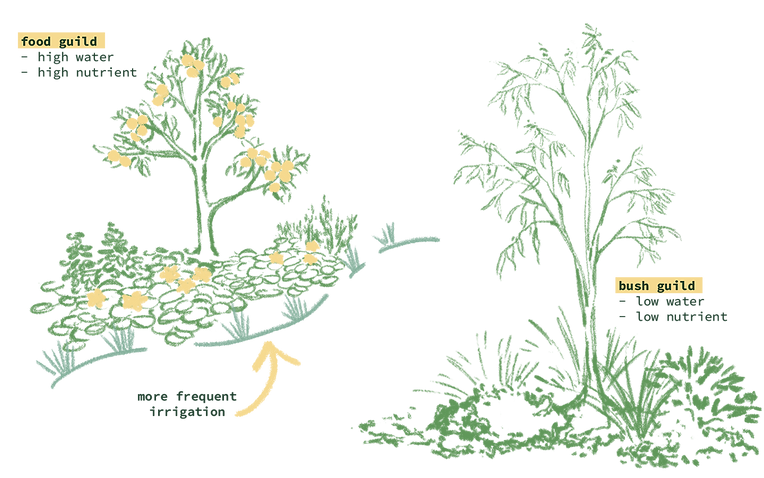
Then we create plant guilds. A guild is an arrangement of plants that creates mutually beneficial relationships. There are a few important considerations we take into plants when designing guilds:
Companion plants
Integrate companion plants, which provide benefits to their neighbours:
-
Carrots break the soil up and reduce compaction, so they are helpful for plants with underground growth like onions and potatoes.
-
Nasturtium flowers are highly attractive to pollinators like hoverflies and bees, and repel pests like cabbage white flies and aphids.
A classic example from Native American tradition is the Three Sisters guild: beans, corn, and squash:

Common needs
Group plants with similar watering and nutritional needs:
-
Plants that prefer moist soils should be placed together, and their section of the garden needs to be watered more frequently.
-
Plants that require high phosphorus (most fruiting plants) should be placed away from phosphorus-sensitive species (most Australian natives), since fertilising one would kill the other.
Enemies
Be mindful of incompatible plants.
-
Tomatoes need high calcium to prevent blossom end rot, and brassicas consume a lot of calcium. Putting these next to each other often causes health issues in both plants, as they deprive each other.
-
There are classic incompatible plants, which are shown in the diagram, but every plant needs to be researched carefully, whether they spread diseases, compete for resources, or attract pests.

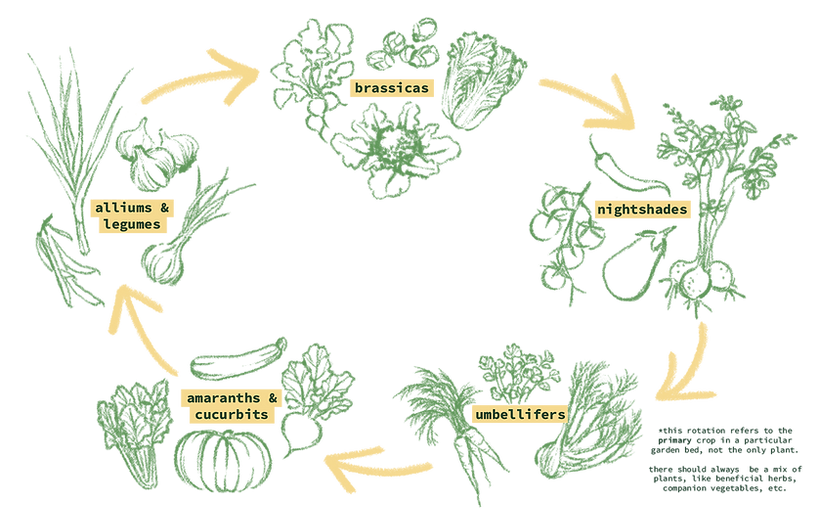
Crop rotation
Rotate crops with each harvest season:
-
The modern agricultural practice of planting the same thing in the same spot over and over again depletes and compacts soil, whereas crop rotation keeps the nutrient cycle flowing and the soil healthy.
-
This family rotation order is based on which nutrients are added and taken from the soil, informed by Miles, 2021:
Compost
Compost is the best fertiliser for any garden. Rich in nutrients, broken down to a composition readily accessible to plants, adding organic matter to support soil health.
Community composting hubs are also a great way to get people involved:People can bring their food scraps, visiting the gardens more frequently and saving their wheelie bins from the summer stink.
Local businesses can bring their waste - coffee grounds, egg cartons, eggshells, used napkins, printer paper, cardboard, sawdust, wood shavings - contributing to the fabric of their community. Then the compost goes into the gardens, fertilising a new crop of food for everyone to share.
Closing the loop and reducing waste at the local level.

Harvesting
Of course, food can be harvested by anyone, any time. This means the plant information signs are particularly important. They need to include:
-
Plant name
-
Plant uses
-
Toxicities
-
Harvesting season
-
How to harvest
-
Seeding season
-
When to plant
Since everyone is allowed to harvest the produce, we should expect that people will overdraw and damage plants, especially in the introduction period.
There will be a learning curve for the community; many people have never interacted with a food garden before, or may not be used to sharing community resources.
This is why the education component is so crucial. By coming from a place of generosity, sharing knowledge and resources, we can cultivate a sense of common responsibility. Rather than surveillance and punishment, the system should encourage mutual trust and respect.

Food yields are not expected to be high, or intended to replace a community’s need for produce. Large-scale food production is much more operationally intensive and would not combine well with a community space. The goal is to reconnect people to gardens.
There are fantastic conversations around reimagining more sustainable food production systems, including urban food farms. I’ve linked some resources at the end if you’re interested.
Community
Facility buildings
Aside from encouraging active lifestyles, providing green spaces, and sharing fresh produce, BACKYARDS are also a platform to strengthen local communities, by providing free-to-use facility buildings that can host a range of activities.
“Open space plays a vital role in meeting people’s recreational needs in both formal and informal roles, from organised sports to walking, bird watching and picnics. Access to open spaces and thus recreational activities is integral to sustaining a decent quality of life.”
- Souter-Brown, 2015.
So many people would love to host events, but are held back by prohibitive venue hire fees. By providing free-to-use spaces, we lower the barrier of entry and empower the community to start their own ventures; businesses, classes, events, exhibitions, passion projects, nurturing crafts, skill-sharing, social connection.
In our fast-paced and competitive economy, this approach is much more forgiving, and effectively boosts local economies by supporting local business owners, increasing pedestrian activity with events, giving people agency to pursue new ideas. We all need to start somewhere; where better than a mutually supportive community environment?
‘The outcomes of such projects include making one’s surroundings more self-sufficient, more localised and more sustainable’
- Oliver, 2024
Yes, community halls already exist.
But most of them are pretty terrible spaces. Dark, heavy, stuffy, windowless, fluorescent, uninviting, downright unpleasant. Most are not particularly cherished by the community; they’re just the only affordable place available for events.


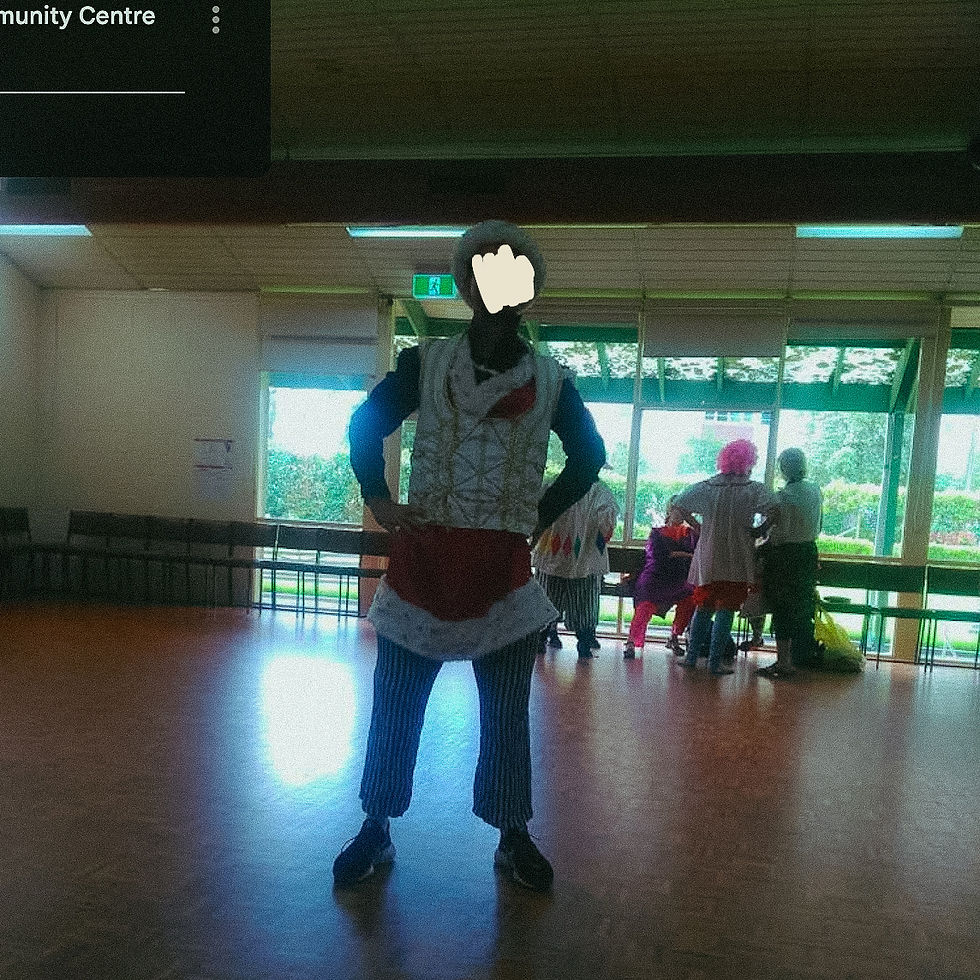


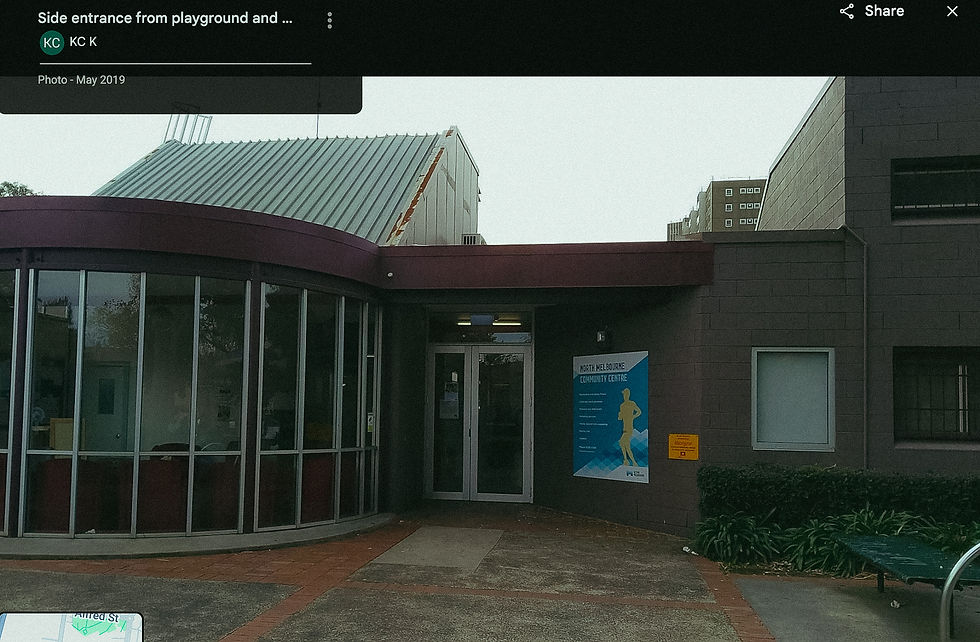
I think we can do better.
Good buildings don’t have to be expensive, they just need to be well-designed.
Places that people actually enjoy being in, regardless of events being on.
Designing facility buildings
These structures should be simple, low-cost, and low footprint.
Reduce energy inputs and running costs
-
Welcome in sunlight and fresh air through louvred clerestories, transparent roofing and skylights.
-
Maintain thermal comfort and protect from storm damage with deep overhanging roofs.
-
Build thermal mass using materials like stone and concrete.
-
Install solar panels and rainwater collection for irrigation.
-
Adjust buildings to solar orientation.
-
Use trees and surrounding vegetation to provide shade.
Keep the design simple and pared back
-
Celebrate inexpensive materials, championing resilience rather than luxury.
-
Reduce the use of highly manufactured resources: use raw materials, avoid overprocessing and overproduction
-
Rely on simple manual operations rather than costly high-tech solutions.
-
Avoid blowing out costs on unnecessary articulations.
Blur the edges with the gardens
-
Create easy flow inside and out
-
A permeable building that welcomes nature in, rather than blocking it out
-
Include both enclosed and semi-enclosed (roof covered but walls open) areas for different purposes
-
Place the buildings at ground level, avoiding steps and level changes, both for accessibility and to blend the building into the landscape
Of course, let’s avoid waste. If a site already has structures/buildings, we should repurpose them, upgrade them to meet passive and biophilic design standards, and incorporate community activity needs.
Basic facilities:
-
Garden equipment shed
-
Admin office
-
Large multipurpose room
-
Tables and chairs
-
Bathrooms
-
Drinking water fountains
-
Bike parking
this design shows a simple basic facility building

Tailoring to community needs
To make useful, beloved facilities, we need to start by understanding what the community actually needs. Community consultation should include activities - how they would like to use the space, what's missing from their local area, what would help support their passions.
-
Woodworking workshop
-
Bike repair shed
-
Book library
-
Tool library
-
Pantry (preserves, teas, herb mixes, etc.)
-
Art gallery
-
Outdoor kitchen
-
Music/theatre stage
-
Dance studio
-
Swings or hammocks
-
Sports nets
-
Projector movie screen
Examples of activities
-
Repair and upcycle workshops
-
Share/swap/trade markets
-
Shared meals
-
Cooking workshops
-
Classes
-
Art & craft workshops
-
Art exhibitions
-
Live music
-
Instrument classes
-
Movement classes
-
Dance or theatre performances
-
Film screenings
-
Book readings
-
Badminton/pickleball
extra facilities to suit activities
By the community, for the community
Facilities should be designed and built by local professionals. Local suppliers should be prioritised when sourcing materials, signs and furniture should be commissioned to local craftspeople.
Every BACKYARD should be brought to life by its community, which uplifts the community in return. This limitation reduces external competition, and stays more grounded than going out to market to be conceptualised by architects and contractors who have no connection to the place.
This exclusivity also applies to use of the facilities.
The ability to book facilities should be limited to the immediate community (maybe a 1km radius, or walking distance). Attendees shouldn't be held to this limitation, only organisers.
The point of this limitation is to uplift the local community, reduce external competition, foster a sense of ownership and mutual responsibility for a shared resource, and ultimately create stronger bonds between people and place.
Maybe this exclusivity will cause FOMO for those outside these parameters - this may then be an additional push for councils to create more BACKYARDS. In an ideal scenario, there is a BACKYARD within walking distance of every household.
Community education
Sharing food, third spaces, and event facilities is a how we start supporting the community.
Sharing knowledge is how we start empowering the community.
Knowledge gives people the confidence to connect with nature.By integrating education into the BACKYARD, we can increase people’s appreciation for their local environments, food sources, and the complex dance of nature. We can encourage people to care for their own gardens (if they have them), to try new foods, to spend more time outside.
Workshops and educational activities could be hosted by Caretakers, local community members, professionals and educators.
Garden care events like harvest parties and seed collecting days can bring the community together to learn and participate in their gardens.
Educational signage allows people to explore the gardens and learn at their own pace, without having to book a workshop in advance. Signs should be placed throughout the gardens, explaining the purpose of different elements - compost, rainwater, plants, ponds, logs, etc. These signs could be made by keen community members - a workshop to paint the signs would be a great way to get the community involved right from the get-go. Everyone learns about the gardens together, makes their mark, and feels connected to the project.
“Only through regular exposure will an awareness and understanding of the significance of natural ecosystems and ecosystem services, especially for human health and well-being, be developed. We need to allow adults and children to get up close. Barrier-free design is not just about accessibility. It is also about taking down the physical barriers, the fences and restraints that promote the sense that nature is something to be frightened of”
Souter-Brown, 2015.
Setup & Operations
Caretakers
Every BACKYARD will be operated by salaried employees: the Caretakers.
Who is eligible:
Caretakers should be people from the local community. The goal is to support local people, local economies. Anyone can apply - they might already be professional horticulturalists, hobby gardeners who downsized and are looking for alternatives, novices wanting to start a gardening career, etc. Full training will be provided.
How they are hired:
Caretakers must be elected by their communities and vetted by the local council. This could be done through election speeches/presentations in a community meeting. Service terms should be limited, maybe to 2 years, but open to re-election.
How they are trained:
At a minimum, Caretakers will need to be trained on permaculture principles, hands-on gardening skills, administration, facility maintenance and cleaning. A collaboration with horticultural educators would be amazing too, for example:
CERES Creating Wild Edible Ecosystems Workshop
Who they report to:
Caretakers will be employed by a centralised city council body that oversees the BACKYARDS program across all different locations, responsible for their contracts, budgets, etc. Community members should have a way to contact this body directly, to give feedback or report issues anonymously.
Caretaker responsibilities
Caretakers will be responsible for a variety of tasks.
By being trained and skilled across everything, Caretakers can share their workload, take time off without worry, and teach new employees and volunteers. They can have a mix of indoor and outdoor work, without getting tired of either, and keeping things varied and interesting.
Garden maintenance
General horticultural and landscaping maintenance, including planting, pruning, fertilising, watering, harvesting, mulching, tidying pathways, turning compost
Cleaning
Cleaning and resupplying facility building and bathrooms, emptying garbage bins throughout gardens, maintaining equipment and tools
Office administration
Managing event bookings, updating social media pages, calendars, and noticeboards with upcoming events. Responding to emails and comments on social media. Organising volunteer events. Ordering supplies.
Being present
Walking around the gardens throughout the day,
observing and being present. Identifying issues and providing assistance quickly.
Community meetings
Organising and chairing monthly community meetings, following up any discussed actions.
passive surveillance increases feeling of safety, reduces antisocial behaviour and vandalism.
Caretaker shifts
The number of Caretakers will depend on the size of the gardens.
There should be a minimum of two per site - some tasks need extra hands, and extended operating hours require two shifts. Extended operating hours are important to ensure access to various members of the community - not just office workers, nor just students, nor just night shift workers, nor just retirees. Everyone.
Here are some shift options, assuming normal working days are Wednesday-Sunday, with the gardens being unsupervised Monday-Tuesday:
Example 1: Mixed
Here, both Caretakers participate in various tasks each day, keeping it interesting.
6pm-8pm
Office admin
Garden care
1pm-5pm
AFTERNOON SHIFT
MORNING SHIFT
1pm-2pm
11am-1pm
Office admin
Cleaning
6am-10am
Garden care
8pm-9pm
Cleaning
Example 2: Rotation
Here, Caretakers rotate their shifts (morning vs. afternoon) every few weeks, so they both get to develop their skills across all tasks.
MORNING SHIFT
AFTERNOON SHIFT
8pm-9pm
1pm-8pm
Office work
Cleaning
6am-2pm
Garden care
Administration
Community and volunteers
We've established that BACKYARDS wouldn't be reliant on volunteers for daily operations. However, people might want to get involved, care for their shared resources, and learn more about gardening. This should be encouraged, it's a great way to connect people to their land and community.
Caretakers can organise community caretaking events like:
-
Harvest parties
-
Seed collecting bees
-
Making furniture/signs
-
Planting annuals
-
Rotating crops
-
Mulching days
-
Compost days
-
Community meetings
Community meetings are essential to the fabric of BACKYARDS. They're a platform for the community to discuss and make decisions for their shared space, whether that's reviewing the past season's harvest, plan upcoming community events, making changes to the gardens, commissioning new furniture and signage, etc. All decisions are discussed and voted on as a group, empowering locals to self govern and creating stronger connection to their community and shared resources.
Policies
Each governing council body needs to create a set of base policies for all BACKYARDS as part of the program's operational structure. Councils already have a series of operational and venue policies for the programs they manage, (e.g. Parks & Gardens, Outdoor Sports & Recreation, Community Halls, Libraries, etc). The development of BACKYARDS program policies could be a refined amalgamation of these existing policies.
Governing council policy topics may include:
-
Accessibility
-
Health and safety
-
Maintenance standards
-
Budget
-
Caretaker contracts
-
Public liability insurance
-
Insurance for facilities and tools
-
Security and surveillance
-
Incident reporting
-
Damage, vandalism and theft
-
Severe weather protocols
-
Chemical use
-
Water runoff management
Then, from this baseline, the local community can discuss and decide on location-specific policies for their own BACKYARD. Local community policy topics may include:
Local community policy topics may include:
-
Operating days/times
-
Noticeboard use
-
Advertising
-
Harvesting
-
Community meetings and votes
-
Events
-
Acceptable types
-
Acceptable noise levels
-
Starting/finishing times
-
Bump in/out times
-
Capacity
-
Ticketing
-
Indoor vs. outdoor options
-
How many bookings allowed per person per week
-
Budgets
As with policies, this discussion of budget/costs is generalised, meant for initial thinking.
All budgets will need to be estimated in a lot more detail, using up-to-date quotes for materials and services. But just to get the ball rolling, here are some costs to consider:
Setup costs (one-off):
-
Project management
-
Administration
-
Policies and budgets
-
Caretaker training
-
Community outreach
-
Community consultation
-
Indigenous consultation
-
Ecology consultation
-
Landscape design
-
-
Site preparation
-
Lawn removal
-
Soil remediation
-
Waste disposal
-
-
Landscaping
-
Plants
-
Trellises/supports
-
Tools and supplies
-
Labour
-
Pathway surfacing
-
Irrigation system
-
Playground
-
Pond
-
Bins
-
Seats
-
Compost station
-
-
Facilities construction
Operational costs (ongoing):
-
Caretaker salaries
-
(refer awards for Parks & Gardens, Horticulturists, Rangers, Administrative Officers, Council Officers)
-
-
Plants & mulch
-
Tool supply & maintenance
-
Facility supplies
-
Water
-
Electricity
-
Internet
-
Waste collection
-
Insurances
Depending on the location and community participation, some initial setup costs could even be sponsored by keen local businesses, like nurseries, landscape construction suppliers, etc.
Setup timeline
Now that all these bits and pieces have been considered, let's map out a loose and optimistic timeline for setting up a BACKYARD:
Select site
Site preparation
-
Rip up lawns
-
Prepare soil organically
-
Plant ground-breaking and nitrogen-fixing cover crops
-
Mulch
-
Begin compost collection
-
0-6 months
Site study
-
Indigenous consultation
-
Environmental consultation
-
Site analysis - soil, drainage, water, solar and wind conditions
Sketch design
-
Sketch landscape design
-
Sketch facilities design
-
Pre-selection of suitable plants (both productive and ecological)
6-12 months
Community consultation
-
Initial community outreach and consultation meetings to discuss:
-
Landscape design
-
Facility designs
-
Events preferences
-
Food crop preferences
-
EOI for Caretakers
-
Caretaker recruitment
-
Organise community elections
-
Hire and train Caretakers
Final designs
-
Final landscape and facility design
-
Seek council approvals
Construction
-
Project programming
-
Procure materials
-
Contract builders and labourers
-
Construct/renovate facilities
12-24 months
Landscape installation
-
Install pathways, irrigation, pond, playgrounds, seats, bins, compost
-
Plant plants
-
Mulch
24 months
Organise opening event
-
Invite community members
-
Introduce community to the space and the Caretakers
-
Invite feedback and ideas
Government funding
This section is mostly speculative, since funding allocation is decided behind closed doors.
As we've discussed, governments have a responsibility to care for their land and community.
We've spoken about the massive areas of turf grass they currently maintain, and we've proposed reallocating this budget to better, more useful, more meaningful green spaces.
Council budgets would fund the installation of gardens, construction of facilities, and salaries of Caretakers who manage and operate the BACKYARDS. This generates more local jobs and allows for work-life balance and flexibility. Rather than relying on a few dedicated individuals to keep the show running, Caretakers and community members alike can have more going on in their lives and the gardens won’t fall apart.
From initial setup to ongoing operations, I'm fairly certain the cost of BACKYARDS will be higher than the cost of mowing enormous lawns every couple of weeks. However, after everything we have explored in this proposal, it's clear the social and ecological benefits will be worth the potential extra cost.
But I'm jumping the gun - let's review the current budget allocations in the City of Melbourne Budget 2025-2026 to get our bearings:
Here, the green space budget is noted as:
“$44.3 million to create more open space and enhance our parks, gardens and streetscapes.”
The budget is then further broken down into various parks and open space programs, some of which seem to overlap, so I’m not sure how exactly the budget is allocated:
-
“$2.7 million to build on the success of pocket parks like Bedford Street in North Melbourne.”
-
“$7.1 million provided by the Victorian Government to be spent on parks and open spaces, roads and community facilities projects.”
-
“$4.1 million will be allocated to the development of existing public open space reserve projects, to be spent on:
-
Pocket Park Program
-
Parks Renewal Program
-
Chelmsford St open space
-
Normanby Road Reserve expansion
-
Chapman Street Pocket Park
-
Miles and Dodds Street Reserve
-
-
”$44.3 million will be spent on new works. The more significant projects include [...], pocket parks and reserves ($3.1 million), public art ($3.0 million), streetscape improvements ($3.0 million)$56.1 million will be spent on renewal and refurbishment of existing assets. The more significant projects include [...] parks renewal ($5.7 million), [...] tree planting and replacement ($2.1 million)”
-
“$400,000 has been allocated to extend the Urban Forest Fund so we can grow a greener Melbourne together.”
-
“There have been five rounds of grants offered since the Urban Forest Fund was established in 2017, totalling over $3.2 million in funding.”
Some of this funding may be flexible, yet to be allocated. Overall, this budget gives us an idea of how much money is currently earmarked for green space management and improvement. We know a significant chunk of it isn’t being used to its fullest potential, and could potentially be directed to programs like BACKYARDS.
Maybe our pocket parks deserve more than 1% of the green space budget!
Your part
Dear reader,
If you’ve made it this far, thanks for reading! I really appreciate your time and curiosity.
I hope resonated with some aspect of the proposal.
Do you have a boring grass-only neighbourhood park?
Do you have a tiny south-facing balcony where you can’t grow herbs and veggies?
Do you have kids who are growing up disconnected from the natural world?
Do you have a dog who loves to explore, and would appreciate the variety of smells?
Do you not care for local parks, but wish they were at least feeding the birds?
If you would like to see these changes in your own communities, please reach out to your local councillors / mayor. Send them an email with a link to this website, explain why you need this in your community, and which local green space you’d like to see converted into a BACKYARD. I live in Australia, and this is written based on Australian urban life, but this proposal is for everyone, everywhere.
Hopefully the movement takes hold, and we can start changing the way we green our cities.
These things take a lot of time to make their way through the jaws of local government.
In the meantime, consider how you can integrate some of these ideas into your own life.
Do you, your friends, or relatives have a lawn-heavy backyard?
Is there more you can plant than just lawn?
Does your workplace have a barren slab of mulch, with one sad neglected tree?
Does your doggy daycare have a square of artificial turf?
Talk to your people, discuss how you can change your daily environments for the better. Even a small patch of native flowers will add ecological value to the land, and the joy of nature to your life. Every backyard counts.
I would love to hear from you.
This is a community endeavour. I don’t have insider knowledge on local council operations, planning legislation, and I know there’s a lot more detail to go into… finance, staffing, operations, logistics, insurance, safety, liability, policy, architecture, construction, horticulture, etc… The idea itself is straightforward, but to make sure it succeeds, all of this needs to be well-considered.
I would love your feedback, ideas, corrections, opinions, knowledge. Please send me your thoughts!
Let’s build this idea into a better tomorrow, together.
Extended reading
Keen to read more about this topic?
Here are some resources that helped me pull this proposal together:
The Green Ages: Medieval Innovations in Sustainability
Annette Kehnel, 2024
(G. Ipsen Translation)
Deeply inspiring. Details the ways in which many medieval societies had found solutions to sustainable management of communal resources, with different methods suited to their particular locations and cultures. It immediately got me thinking about how we could implement similar strategies in our own modern world.
The Death and Life of Great American Cities
Jane Jacobs, 1992
The classic text on how efficiency- and car-centric urban design ruins the social fabric of a city, with commentary on what makes socially healthy cities.
Futuresteading
Jade Miles, 2021
Practical and inspirational guide for homesteading, organic agriculture, cooking and preserving food, living with the seasons, and other crafts.
Landscape and Urban Design for Health and Well-Being
Gayle Souter-Brown, 2015
Delves deep into the health and social benefits of well-designed healing gardens, the importance of nature for the wellbeing of all people, of all ages and demographics. Includes various examples and design ideas to help start your own projects.
Community-based prepping
WellBeing, Issue 208, pages 96–99
Martin Oliver, 2024
Article on the benefits of strengthening local communities, starting communal ventures, sharing resources, and building resilience as a collective.
The Permaculture Home Garden
Linda Woodrow, 2007
Practical manual on small-scale permaculture methodologies.
Post script: about the author
Hi!
I started writing this in 2026, as a sort of synthesis of my life experiences:
Along these branching paths, I expanded my knowledge, developed new interests, found connection and common ground with many people. Through environmentalism, art, architecture, public realm, health, landscaping, branding, horticulture; my journey has culminated here:
-
I view all land, all space, as deeply valuable and full of potential. My years in residential landscape design taught me how to reimagine small spaces into functional, exciting, biodiverse gardens; how to shape them to meet people’s needs, enrich their daily lives, and bring them outside more often. So, whenever I walk through public ‘green’ spaces, I’m usually very disappointed in how little thought and care was put into our urban land.
-
I’m keenly aware of the work involved in creating and maintaining green spaces. Many of my clients don’t have the time to care for their gardens themselves, which is why they hired me. But the vast majority of people can’t afford a private landscape designer/horticulturalist, and don’t have the time to do it themselves. If their public parks are neglected and uninviting, their shoebox balconies face the back of another building, and their national reserves are a long drive away. So they just go without.
-
I know what it feels like to lack connection to place. I’ve moved over 13 times throughout my life; first across the globe, then across various cities and suburbs in Australia. Being constantly uprooted, I’ve always craved a regular place, to hang out, to establish community, to feel grounded and connected to the people around me. The closest I’ve gotten are local farmers markets, but these are marred by their transactional nature, transient crowds, and prerequisite of driving through multiple arterial roads and spending 20 minutes to find parking before you can pay to partake in the quasi-community.
-
I have witnessed firsthand how slow and difficult it is to get anything done at a city council level. Council officers are too busy dealing with bureaucracy, paperwork, meetings and emails, to actually make a significant change. Years to identify an issue, convince board members that it matters, secure funding, begin an investigation, and produce an issue report. Then another few years to develop a proposal for how to fix it, review and amend the proposal, run it by the board for approval. Then maybe we can start looking at funding, project management, and logistics. By the time the project starts being implemented, the original issue has evolved into something else entirely, and the proposed solution may not be relevant after all.
As has been well researched and established, people need frequent and meaningful connection to nature for our health and wellbeing. We also need social connection, mutual support, and a sense of community to feel safe and happy in our neighbourhoods.
We’re increasingly isolated and reliant on the goodwill of corporations who, shockingly, may not have our best interests at heart. The power structures we exist within have a vested interest in separating people, stripping nature apart, repackaging it, and selling it back to us. It’s not surprising that most of us feel helpless, held at gunpoint by the constant horror deluge - destruction and injustice, wars and genocide, greed and environmental obliteration - that fills our news cycle. What can we do, when the whole system is so broken? Lay down in defeat, accept that that’s just how the world works?
In my paralysis, my tendency became to daydream. At first, simply as a way to mentally escape the grief, pain, and rage of knowing our world is being destroyed so recklessly. Then I read ‘The Green Ages’ by Annette Kehnel, and marveled how people have come up with such a variety of sustainable living projects throughout our history. It inspired me to focus my daydreams into something tangible, actionable. I can’t fix everything that’s wrong with the world at once, but I can do something.
So that’s where BACKYARDS came from. I decided to make some use of what I’ve learned in my wiggly life, and spend my own time and energy researching and writing this proposal. I'm not getting paid for this, I'm not interested in monetising it. Maybe a few BACKYARDS will get built, maybe not. At the end of the day I just want this proposal to spark conversations, inspire others to write their own projects, to come up with alternatives, so we can create a future grounded in love for each other and for the earth.
BACKYARDS is my small, but hopefully impactful, proposal. An interjection into our densely populated, isolated, capitalistic city life. An aspirational social and spatial model that remains in touch with our modern urban realities. A mutual endeavour that gives everyone an opportunity to participate in a kinder, supportive, better future.
This line by Oliver (2024) captures it well: ‘Where governments are trying to balance competing interests, communities are not constrained, and can find local and grassroots ways to look after their own needs more autonomously’. So here it is, from a community member, for a community that needs change. The only way we can make a change is to work together.
So I invite you to join this movement to reimagine our future world, starting with our backyards.
Thank you, deeply, for your time.
- M
